Bachelor of Science in Computer and Network Security

In the 1960s, Captain Crunch cereal contained a free whistle that happened to produce a 2600 Hz tone, coincidentally the same tone most telephone systems "listened" for before accepting long distance dialing information. Groups of people, at the time called "phreakers", used the whistles to dial into major companies, then used those companies' phone systems to place long distance and international calls for free.

Today, the U.S. Military has plans to build a colossal Botnet as part of a larger cyber defense strategy. The largest Botnet is a hacker-leasable collective of perhaps 100-million computers, available for rent to the highest bidder for even the most sinister purposes, but especially effective at shutting down targeted systems through distributed Denial of Service (DDoS) attacks that throw millions of requests at once at a specific target. The Chinese military wields a Botnet some 85-million strong.

As a Computer and Network Security major at DSU, not only will you learn how DDoS attacks are implemented and defended against, but you'll learn hundreds of other methods employed by black-hat hackers to gain unauthorized access to the world's computer systems. You'll catch some history, from early phreaking to the Ping of Death. You'll learn about fraggle attacks, social engineering, and how to distinguish a script kiddie from a pro.

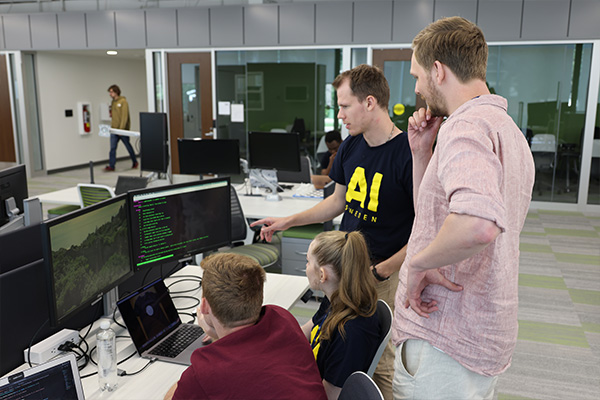
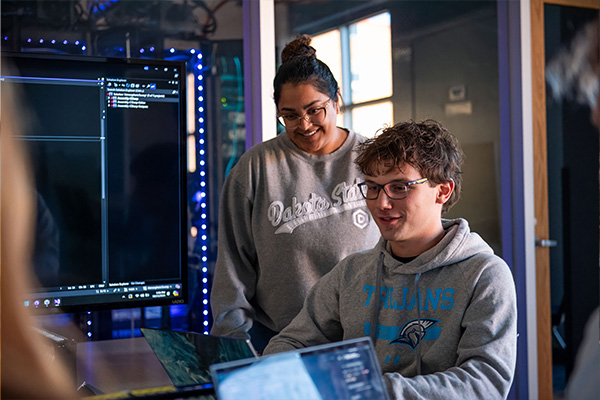
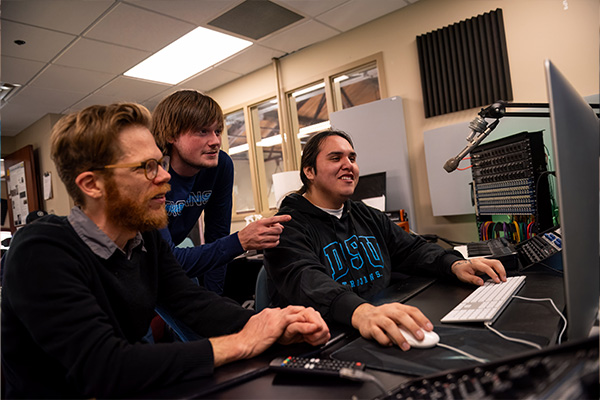
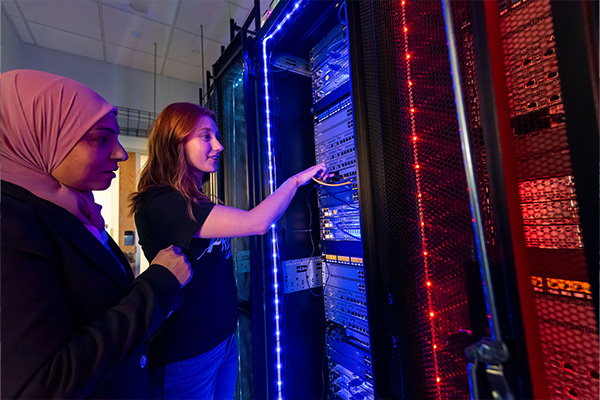
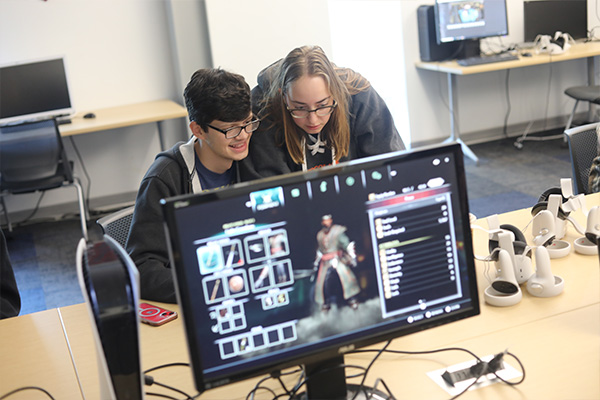
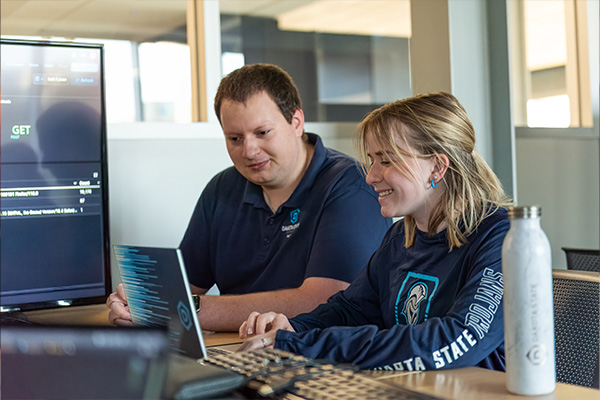
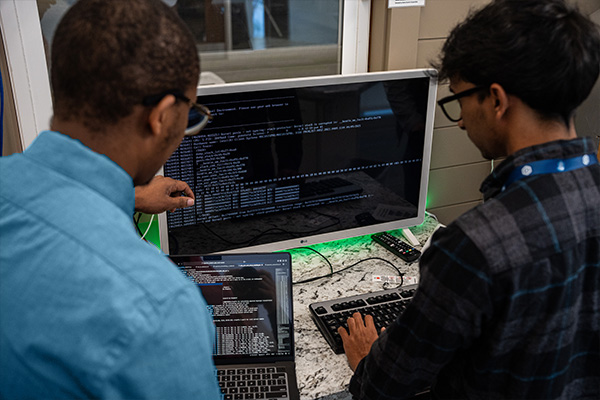
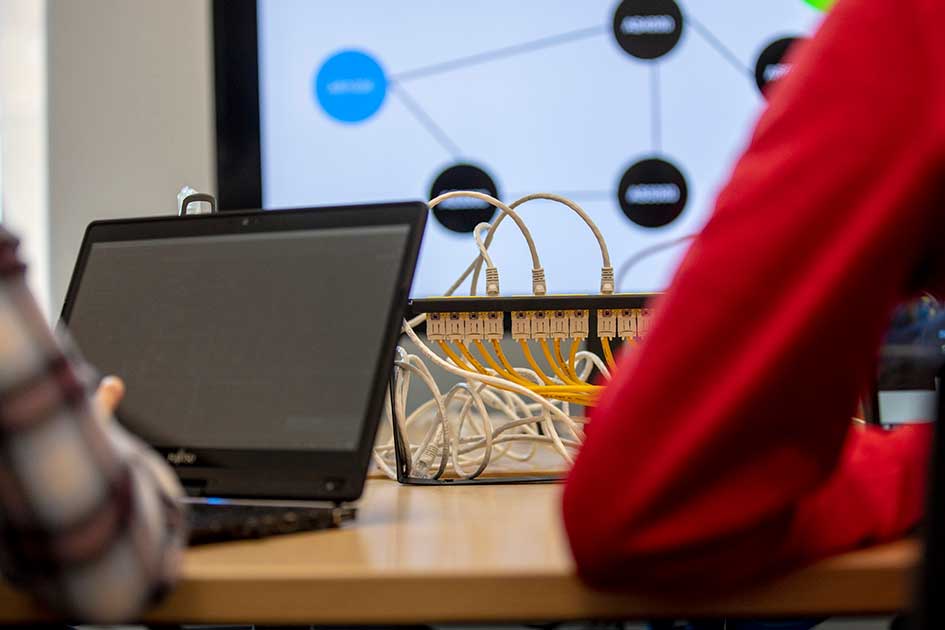
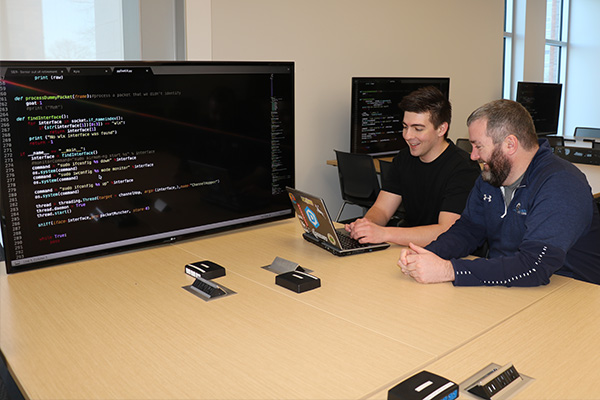
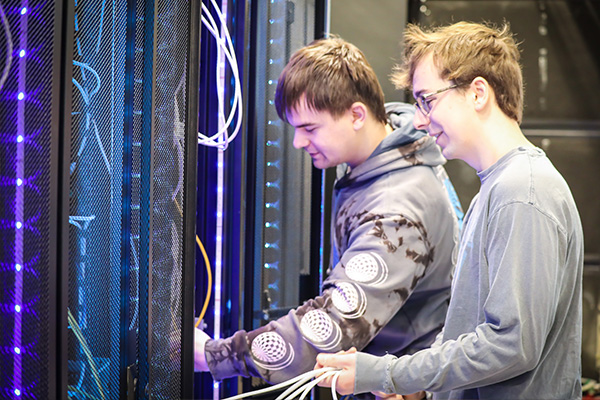
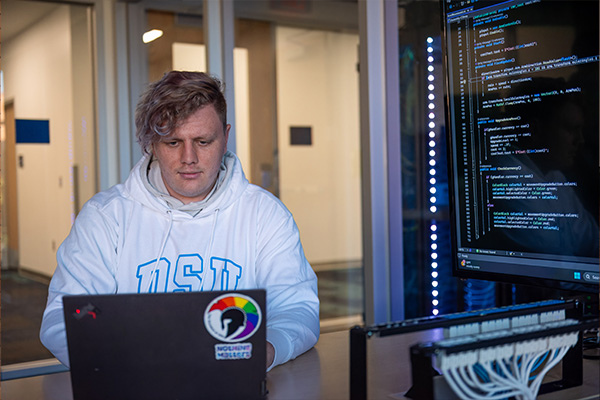
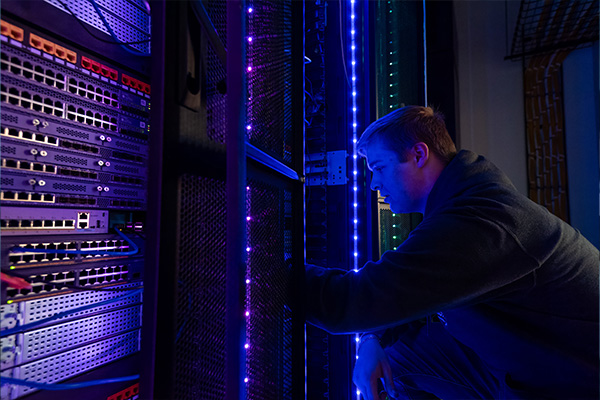
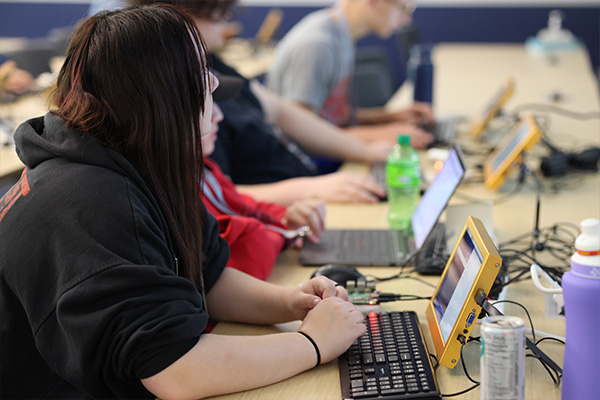
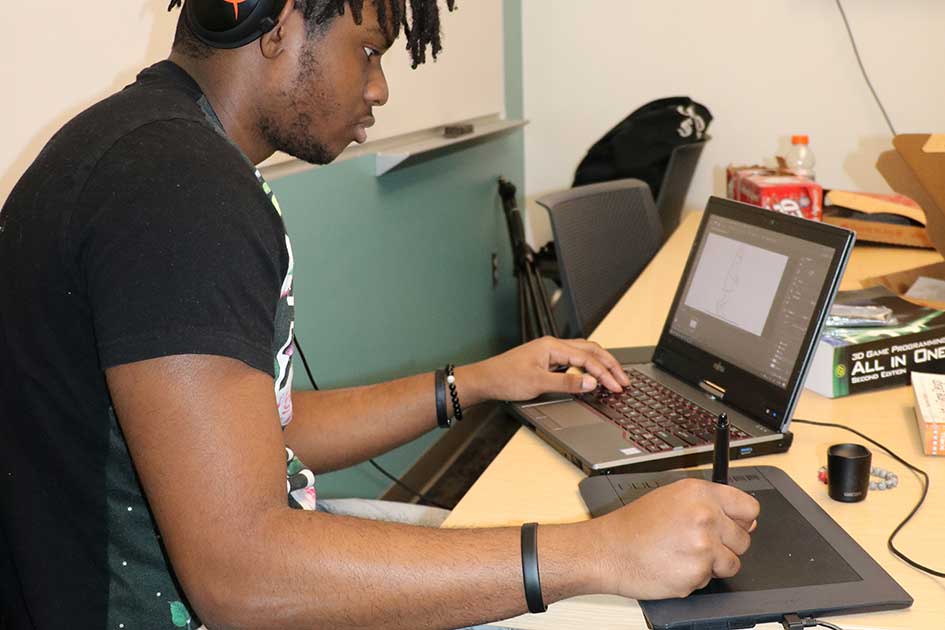
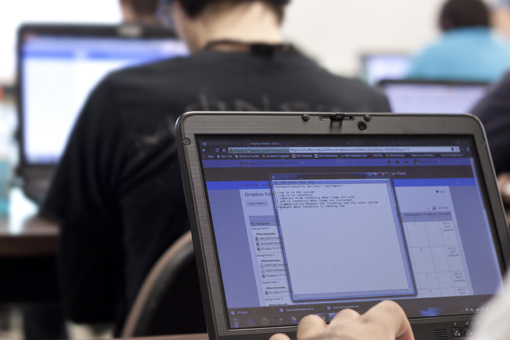
Dakota State University has a one-of-a-kind "hacking lab" where students are allowed to "hack" in a safe environment so that they learn how the hacker thinks, what tools the hackers use, how malware propagates and what controls can be put in place to thwart hacker attacks.

Black hat hackers are after the world's sensitive information, and our graduates work to implement and secure networks that are resistant to hacker attacks.

Possible Job Titles:

  • Network Administrator
  • Security Administrator
  • Network Manager
  • Information Security Manager
  • Information Security Officer
  • Information Security Consultant
  • Network Scanner
  • Network Auditor

Average Salary:

Salaries generally start in the mid 30s to the mid 40s.

Average salary in the U.S. if you have between 3 and 5 years of security experience: over $75,000.
SOURCE: The SANS 2005-2007 Information Security Salary & Career Advancement Survey

Over 15% of security professionals earn over $125,000.
SOURCE: 2006 Global Information Security Workforce Study

Job Outlook:

The number of Information Security Professionals will exceed 2 million by the end of 2010. The number of security professionals will grow almost 8% over the next 5 years.
- SOURCE: 2006 Global Information Security Workforce Study

Placement for computer and network security students have been excellent because of the growing need for employees and consultants who can secure company networks. Dakota State University has relationships with government agencies (i.e., FBI, NSA, EROS, etc.) and industry to facilitate job placement.

What makes a degree from DSU special?

  • Class size/personal attention (Faculty-Student ratio)
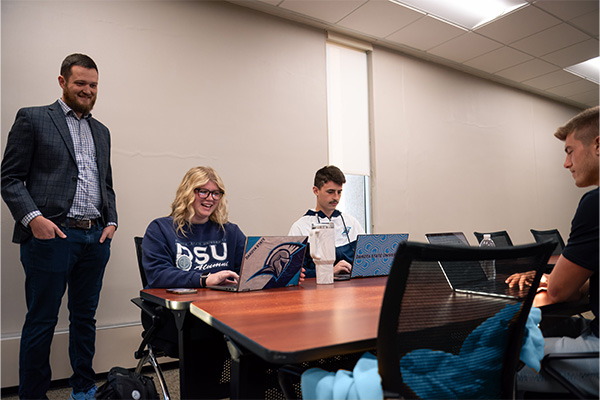
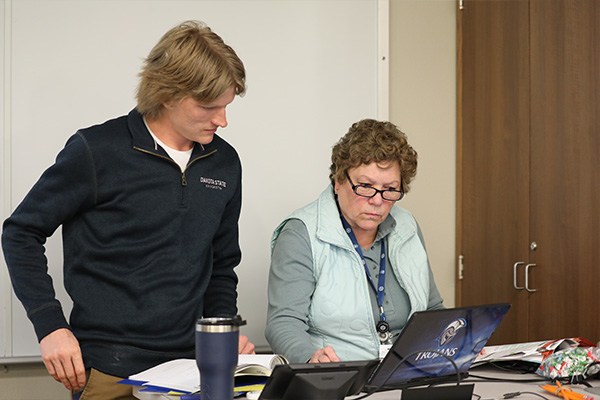
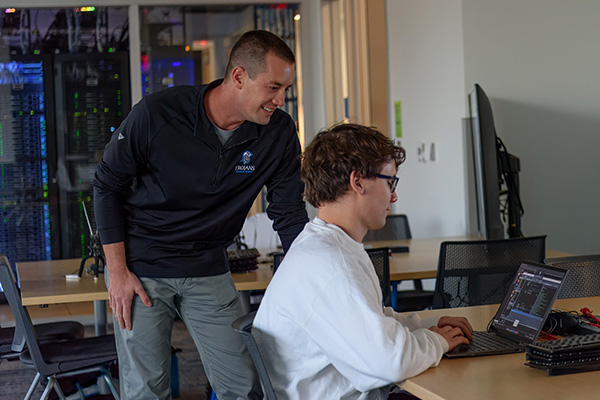
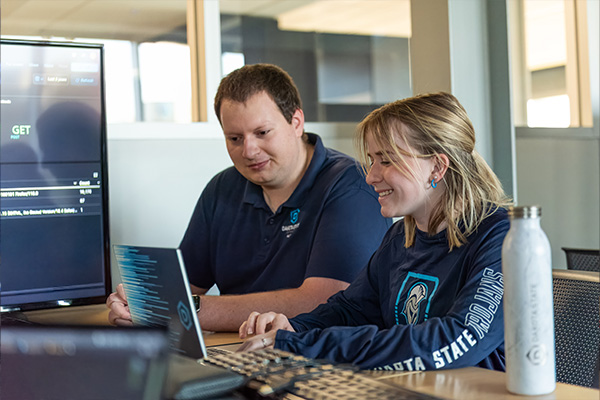
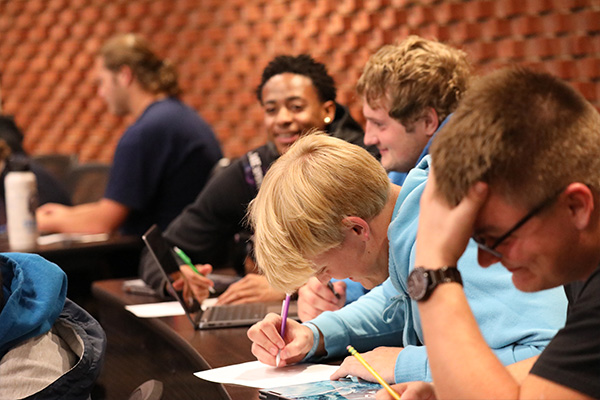
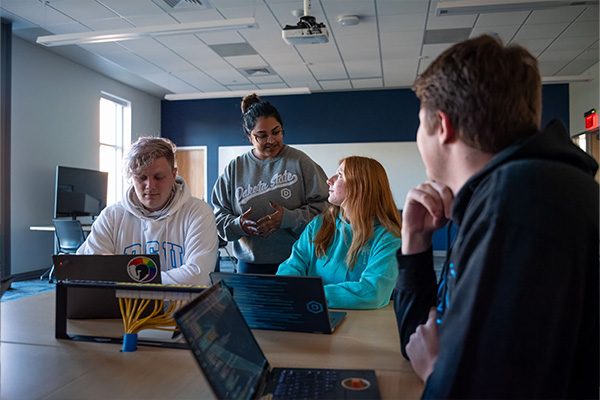
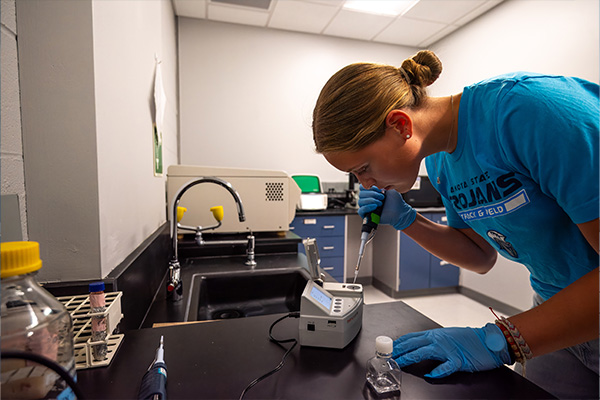
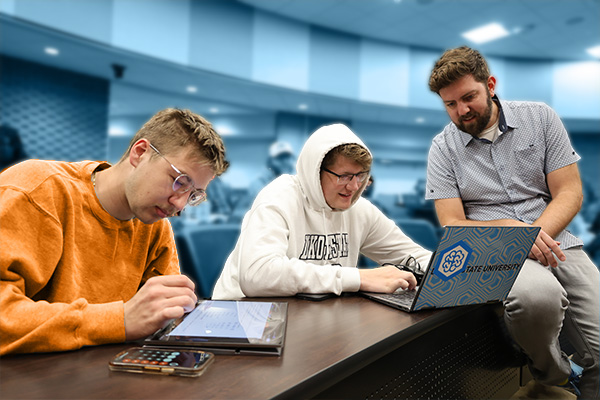
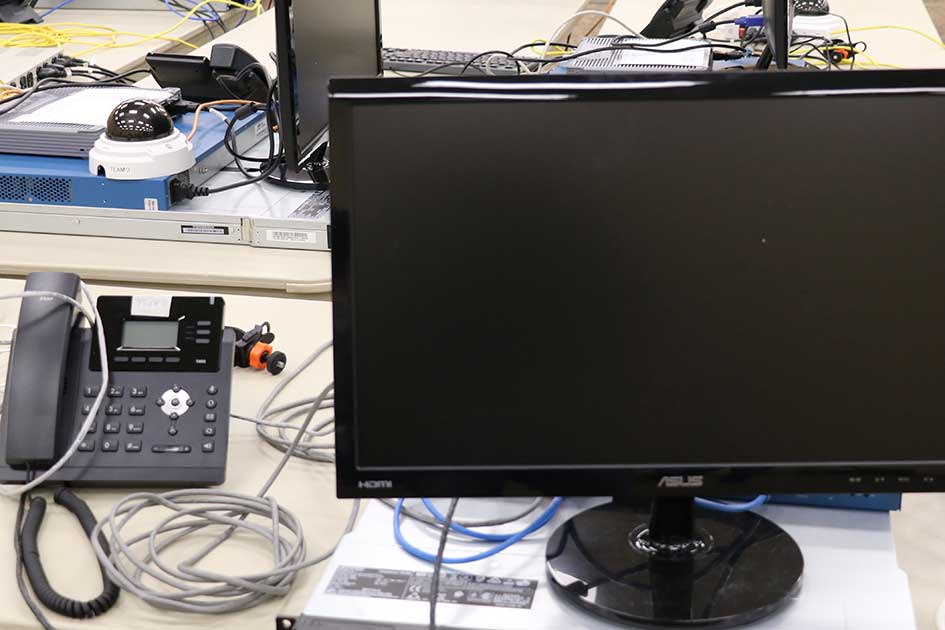
    • The program includes approximately 25 technology and security courses. Many of these courses include hands-on experience in networking and security. For example, Dakota State University has several networking labs where students create and maintain a variety of networks. Dakota State University also has a series of security labs where students get to use biometric equipment, hacking software and security countermeasures (firewalls, intrusion prevention systems, etc.). Because of the hands-on nature of the program, class sizes are small (usually 25 students or less). This provides an opportunity for the student to work very closely with the teacher/faculty member and get the 1:1 attention they need to be successful.
  • Cool facts or interesting things about this major:
    • Identity theft continues to spiral out of controls as hackers steal information and sell it in the black market / underground economy. Stolen information has a set price in the underground economy, thus motivating hackers and crackers to discover innovative techniques to steal customer and financial information from companies.
Prices for Stolen Information
Information Type Range of Price
Bank accounts $10 - $1,000
Credit cards $.40 - $20
Full identities $1 - $15
Email addresses $.83/MB - $10/MB
Email passwords $4 - $30
Online auction site accounts $1 - $8
  • Faculty's unique experiences, certifications and focus in this major:
    • Kevin Streff, Ph.D. - Biometrics, information security principles
    • Joshua Pauli, Ph.D. - Software security, software testing
    • Pat Engebretson D.Sc.- Ethical hacking, network security
    • William Figg, Ph.D. - CIFI Security in operations management, cryptography
    • Omar El-Gayer, Ph.D. - Secure software engineering
    • Sreekanth Malladi, Ph.D. - Ethical hacking, network security, cryptography
    • Wayne Pauli, Ph.D. - Bank security and electronic commerce security
    • Tom Halverson, Ph.D. - Digital forensics
    • Stephan Krebsbach, Ph.D. - Database security
    • Brent Tulloss, CISSP - Networking, network security
    • Jim McKeown, Ph.D. - Software testing
  • Integrated Technology:
    • Information security professionals are in hot demand. The Computer and Network Security bachelors program offers a blend of networking, technology and security courses. The follow topics are samples of what is included in the 4-year degree:
    • Technology Networking Security
      C/C++ Local Area Networks Information Security
      VB.NET Wide Area Networks Computer Security
      Web Programming Data Comm. & Networking Network Security

      Operating Systems Network Security Cryptography
      Database Systems Intrusion Detection Computer Forensics
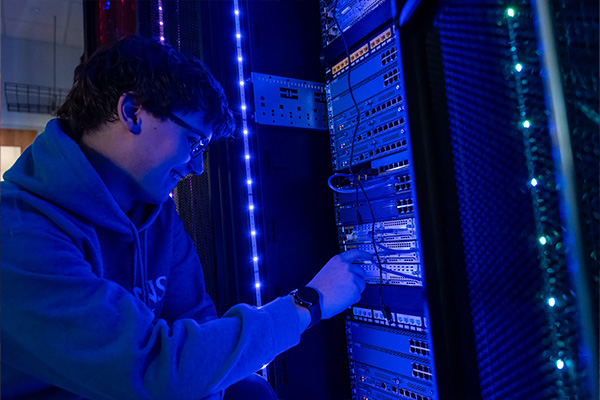
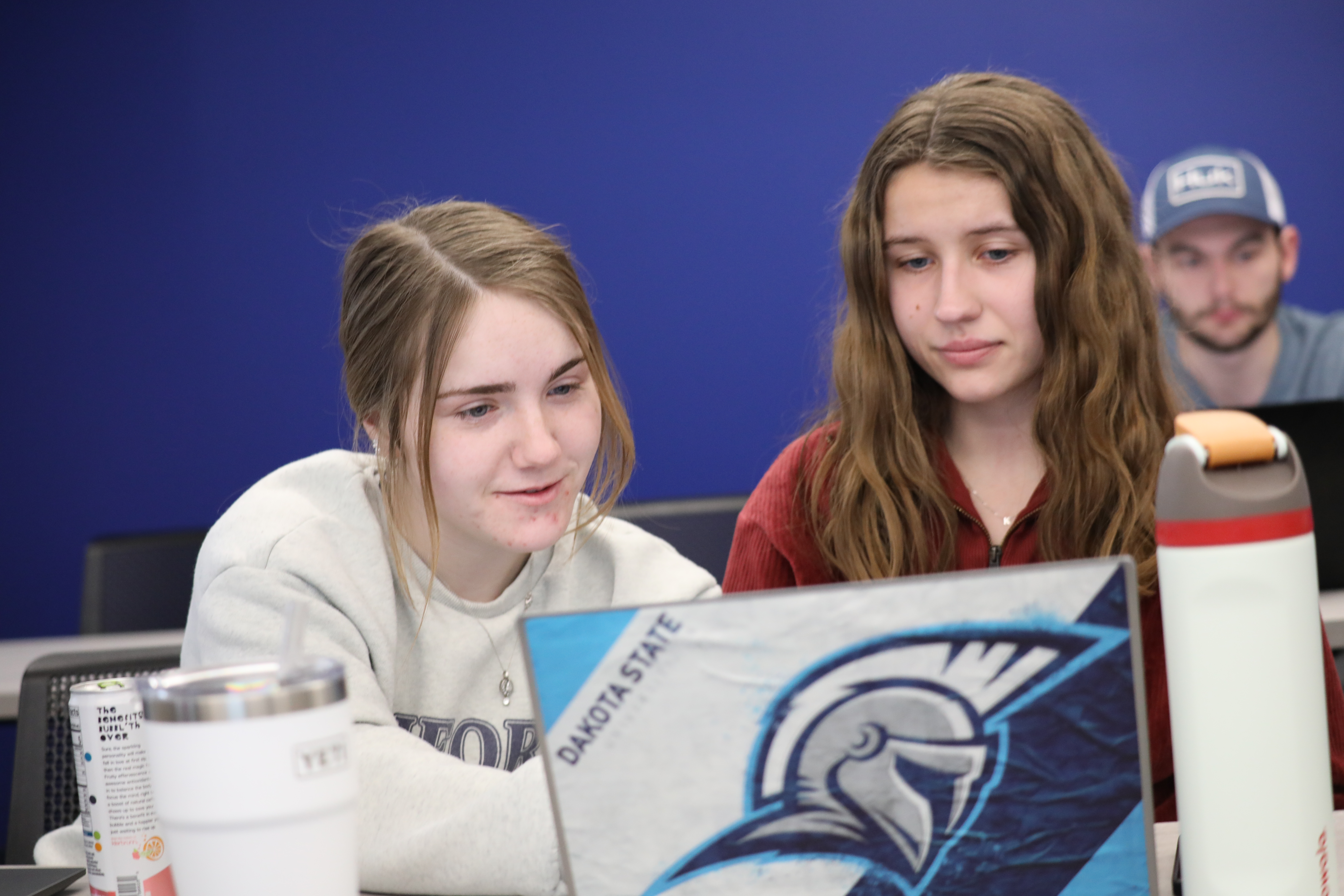
    • This is a fun, technology-infused field that includes a good mix of technology, security and networking courses with many hands-on opportunities for you to practice what you learn. For example, Dakota State has several networking labs (Windows, Unix, etc.), hardware labs, a hacker lab, a digital forensics lab and a biometrics lab. Each lab has new and innovative technology for students to use and learn.

  • What type of special opportunities can students take part in?
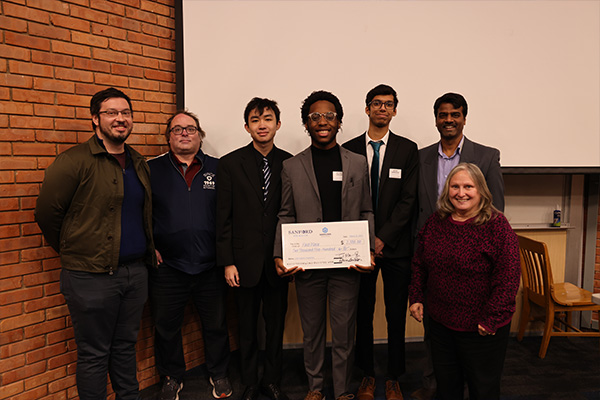
    • Ethical Hacking Contest - Dakota State University hosts an annual information security hacking contest on campus where high school students from SD, ND and MN compete for over $3,000 in prizes by learning hacking software and techniques to secure computers and networks.
    • Treasure Hunt Contest - Dakota State University students compete to identify over 100 "treasures" that are hidden on a mock network utilizing network scanning, network hacking and network profiling techniques.
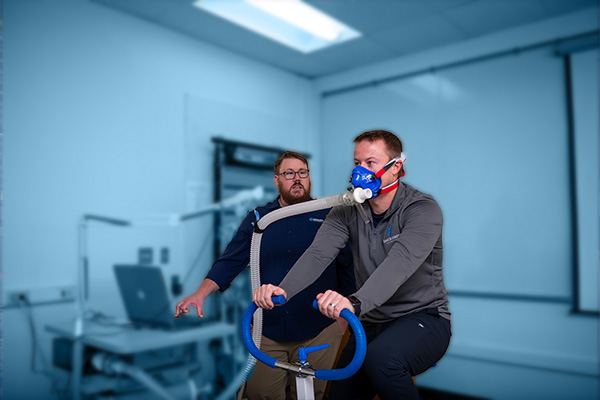
    • Biometrics Research - Dakota State students have worked with a variety of biometric equipment and rolled it out around campus. Technologies include iris recognition, vein geometry, keystroke dynamics, facial recognition, fingerprint, hand geometry and speech recognition.
    • INFOSec Club - Dakota State University students started an informal security club and get together and talk security.
    • Computer Club - Dakota State University started a computer club. The club does a series of LAN parties.
    • Internships/Projects - Students in the security major will complete an internship or a significant security project. These internships and projects give the students hands-on experience with security and help build their resume.

Quote from Dr. Kevin Streff - Director

"Dakota State University boasts an information security program second to none. Students get to learn using some innovative technology labs, including a state-of-the-art hacking lab, several networking labs, and a biometrics lab with iris, hand, vein, face, voice and finger recognition systems. If you like technology and want to work in the hot and exciting field of information security, Dakota State University is the school for you."

Quotes from students:

"I chose Dakota State because of the technology classes and labs, especially because of the computer and network security degree that is in hot demand in the workplace. I graduated two years ago". Nick Pullman (Manager of Information Security at Citigroup)

"I get to work with the latest technology, including networking, biometrics and wireless gear. For example, I have been working with a vein measurement system to control access to some labs on campus. Where else can you get this type of hands-on experience in a school rated so high in information security?" Chris Cook, Luverne, MN

"I have only been at Dakota State University for two years but love it. The technology is neat and the teachers really care about me learning. Even my parents like my decision to attend Dakota State and study information security!" Michael Johnson, Canton, SD

Want More Information?

Contact Dr. Kevin Streff at (605) 256-5077 or email him at kevin.streff@dsu.edu. You can also check out the following resource: www.ia.dsu.edu

Nutrition Facts
Serving Size 1 Semester (16cr)
Semesters Per Degree 8 (128cr)*
Bachelor of Science in Computer and Network Security
Degree Requirements 128 cr
Credits
Computer Technology Core 54
CIS 245 Info Security Fundamentals 3
CIS 275 Web Application Programming I 3
CIS 328 Operating Environments 3
CIS 332 Structured Systems Analysis and Design 3
CIS 338 Project Management 3
CIS 350 Computer Hardware, Data Communications & Networking 3
CIS 375 Web Application Programming II 3
CIS 383 Networking I 3
CIS 385 Networking II 2
CIS 388 Computer Forensics Fundamentals 3
CIS 414 Computer Security Fundamentals 3
CIS 416 Network Security 3
CIS 420 Intrusion Detection and Prevention
3
CIS 422 Software Security 3
CIS 484 Database Management Systems 3
CIS 494 Internship
OR
CIS 498 Undergraduate Research/Scholarship
2
CSC 230 Tech Foundations: Ethics 1
CSC 231 Tech Foundations: Linux 1
CSC 232 Tech Foundations: Scripting 1
CSC 233 Tech Foundations: Emerging Topics 1
CSC 250 Computer Science II 3
CSC 409/509 System and Security Programming 3
Supporting Coursework Component 15
ACCT/BADM/ECON/OED 6
ENGL 208 Documentation & Presentation 3
MATH 201 Intro to Applied Math 3
MATH 281 Intro to Statistics
OR
BADM 220 Business Statistic
3
Electives 15
General Education Requirements** 30
Institutional Requirements*** 11
NOTE: Majors must take ECON 201 and MATH 102 as part of the system-wide general
education requirements.
Majors must take CSC 150 as part of the institutional graduation requirement.
* The serving size is based on a four year degree plan, so your course load may vary depending on your specific educational goals. The values here are current as of the 2009-10 DSU course catalog.
 
Last Updated: 7/31/09