
Bachelor of Business Administration in Management for Information Systems
It's no secret that today's businesses use computers. They might use them in straightforward ways, managing documents and data, or they might be marketing quantum computers. Yet many schools teach business courses as if today's workplace still relied upon telegrams and vacuum tubes.
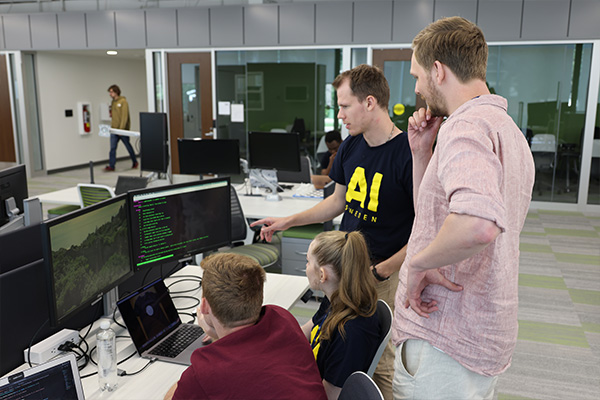
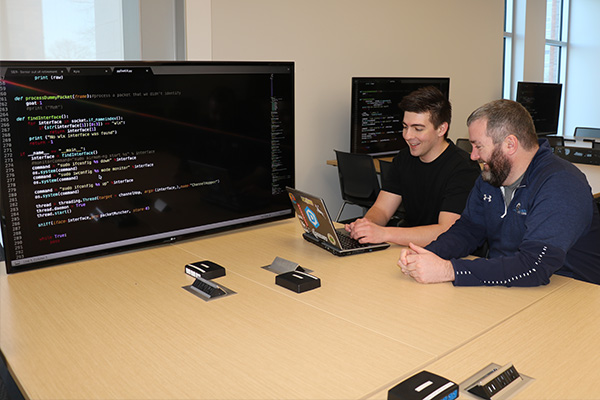
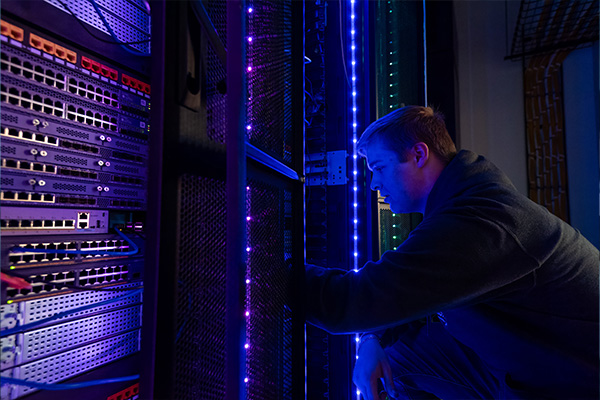
But DSU gets it. You need business fundamentals married to a capable command of technology, and that's true whether you're thinking about a straightforward business degree, accounting, marketing, management, or finance courses. With our degree, you will learn those important, traditional business skills, but you will also be able to write your own computer programs to help your business grow. You'll be able to maintain entire information systems.
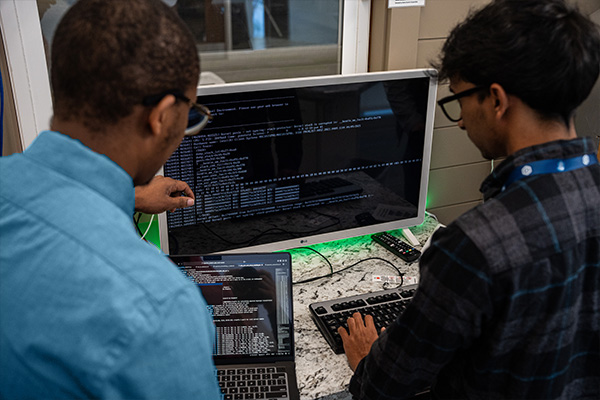
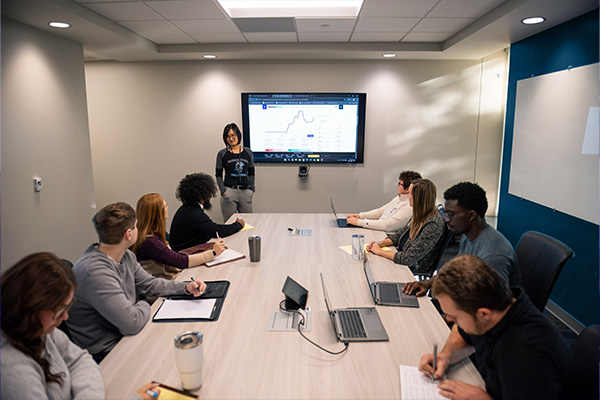
You'll be able to make connections and practice your skills in an internship at leading business in the state and region. And even as an undergraduate, you'll be able to participate in real research opportunities, because DSU's College of Business happens to be home to both the Center of Excellence in Computer Information Systems and the Center for Academic Excellence in Information Assurance.
Hear that sound? That's the sound of a thousand employers raising their eyebrows, all at once. Better get used to it.
Possible Job Titles:
- Business Analyst
- Applications Programmer
- Systems Programmer
- Telecommunications Programmer
Job Outlook:
Very good
Benefits of a DSU Degree?
The College of Business and Information Systems is the largest College on the DSU campus, and in addition to many undergraduate technology degrees it is also home to a Masters in Information Systems, a Masters in Information Assurance, and a Doctoral degree in Information Systems.
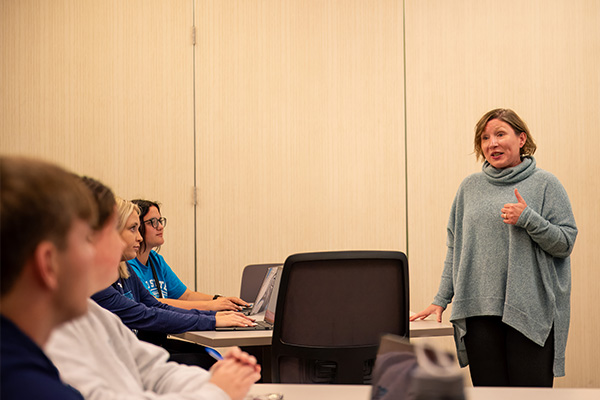
- Class size/personal attention (Faculty-Student ratio):
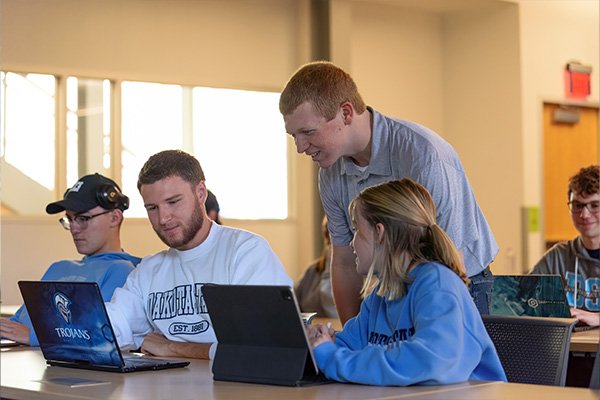
- Known for its hi tech and personal touch, students majoring in MIS will find a Faculty – Student ratio in the major classes in the average of 20 – 1.
- Cool facts or interesting things about this major:
- For years, the placement rate for our MIS graduates has approached 100%. Due to the high demand for DSU grads, most if not all students find their first job after graduation without ever leaving campus, as a very large number of businesses interview on our campus.
- Faculty's unique experiences or certifications in this major:
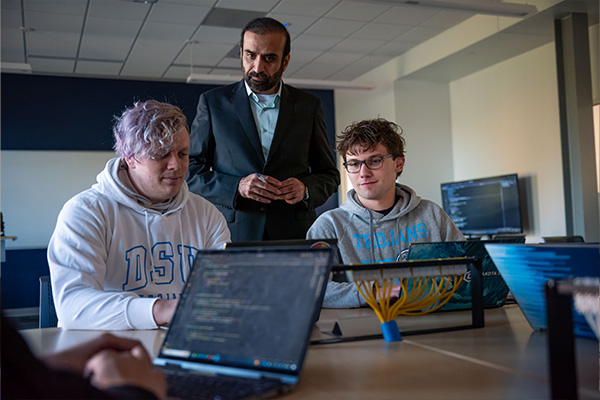
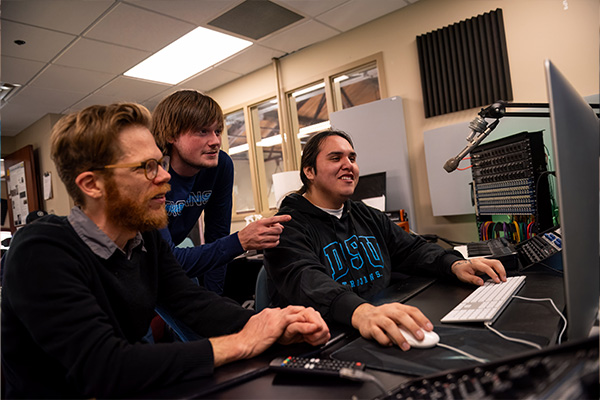
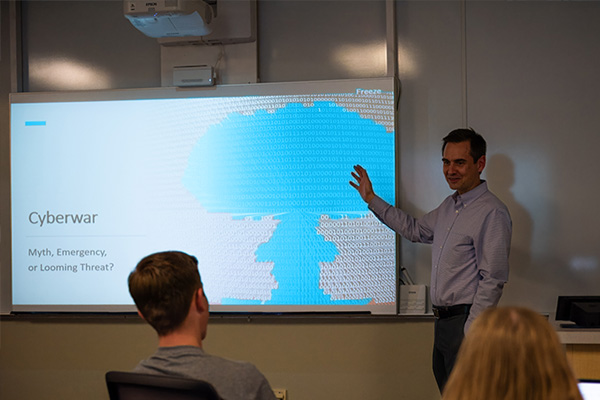
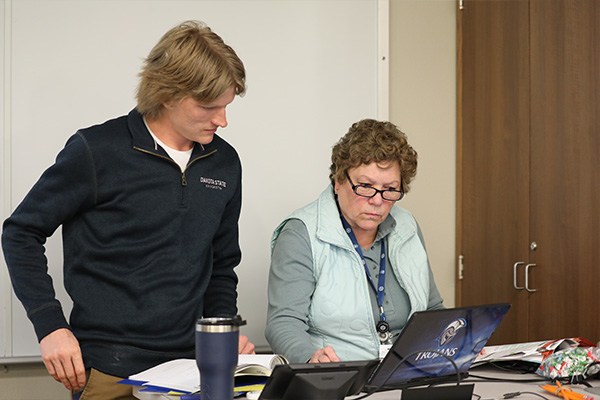
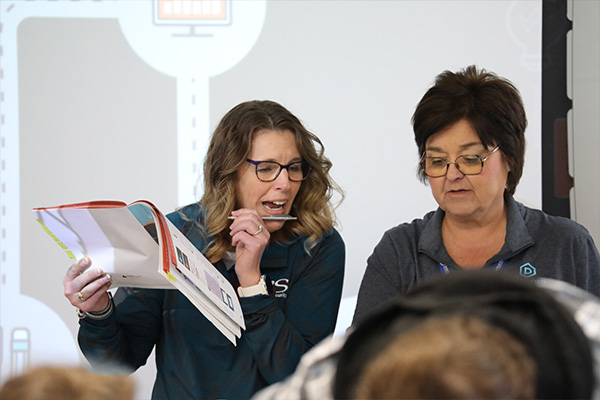
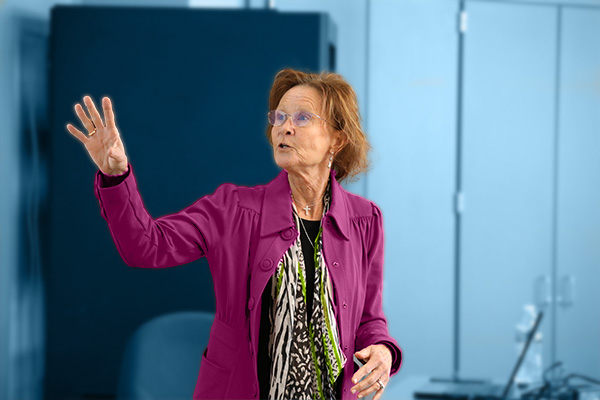
- Students attending DSU and majoring in Management Information Systems (MIS) will find a group of faculty that not only teach technology but to a large degree are involved with technology outside the classroom on a daily basis. This involvement includes research as well as business concerns. The blending of these provides an absolutely unique learning environment to experience.
- Integrated Technology:
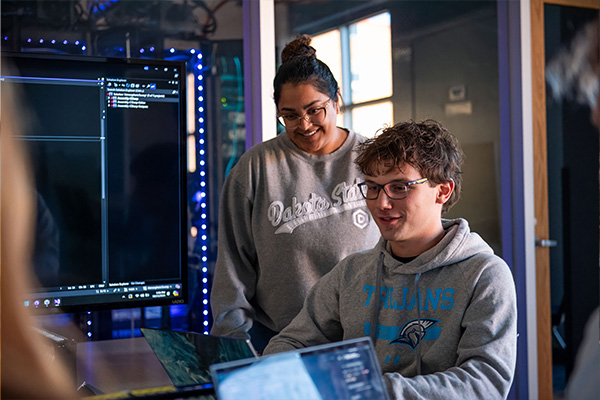
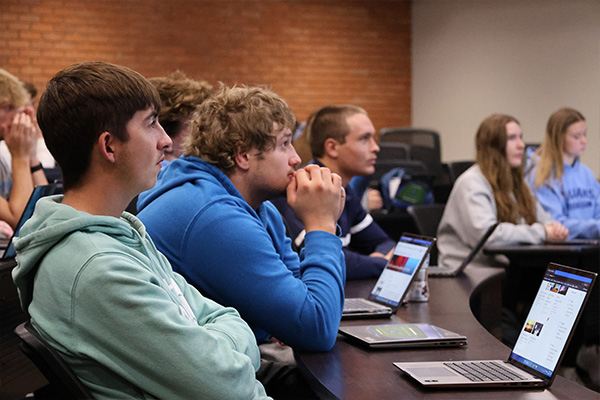
- Students have the benefit of using one-to-one wireless mobile computers on campus giving them the experience needed to teach in South Dakota schools that are moving to one-to-one classrooms.
- What type of special opportunities can students take part in?
- There are various organizations that students can obtain memberships in such as Phi Beta Lamba, Computer Club, Gaming Club, Student Senate, and Kappa Sigma Iota. Scholarships and grants are also available by applying to the DSU Enrollment Services Office.
| Nutrition Facts | |
|---|---|
| Serving Size 1 Semester (16cr) Semesters Per Degree 8 (128cr)* |
|
|
Bachelor of Business Administration Degree |
|
| Degree Requirements | 128 cr |
| Computer Information System majors, this major may be selected only in addition to another Business Administration major | |
| Credits | |
| Business Administration Core | 52 |
| ACCT 211 Principles of Accounting II | 3 |
| BADM 220 Business Statistics | 3 |
| BADM 310 Business Finance | 3 |
| BADM 321 Business Statistics II | 3 |
| BADM 344 Managerial Communications | 3 |
| BADM 350 Legal environment of Business | 3 |
| BADM 360 Organization & Management | 3 |
| BADM 370 Marketing | 3 |
| BADM 405 International Trade and Finance | 3 |
| BADM 425 Production and Operations Management | 3 |
| BADM 482 Business Policy and Stragedy | 3 |
| CIS 251 Business Application Programming | 3 |
| CIS 325 Managment Information Systems | 3 |
| Choose three credits from the following |
3 |
| CSC 206 Adv. Computer Applications | 1 |
| CSC 207 Adv. Applications: Spreadsheet | 1 |
| CSC 208 Adv. Applications: Database | 1 |
| CSC 209 Adv. Applications: SAS | 1 |
| ECON 202 Principles of Macroeconomics | 3 |
| MATH 121 Survey of Calculus | 4 |
| Management Information Systems Component | 21 |
| CIS 330 COBOL I | 3 |
| CIS 331 COBOL II | 3 |
| CIS 484 Database Management Systems | 3 |
| CIS/CSC (300-400 level) Electives | 9 |
| ACCT/BADM/CIS/CSC/OED Electives | 3 |
| Electives (Internship Encouraged) | 14 |
| NOTE: Electives may not be counted twice to meet the requirements of a major. Electives must be chosen so that at least 40 credits at 300-400 level are completed. BADM 378 may be used as a CIS/CSC elective. | |
| General Education Requirements | 30 |
| Institutional Requirements | 11 |
| NOTE: Majors must take ECON 201 as part of the system-wide general education requirement. BBA majors that test directly into MATH 121 do not need to complete MATH 102, but must take 3 credits of general elective. Majors must take CIS 130 as part of the institutional graduation requirements
|
|
|
* The serving size is based on a four year degree plan, so your course load may vary depending on your specific educational goals. The values here are current as of the 2009-10 DSU course catalog. |
|
| Note to Students: | |
| Students planning to pursue a Masters Degree in Business Administration (MBA), note that the following additional undergraduate (baccalaureate level) courses are commonly required for acceptance to an MBA program. |

|
| ACCT 211 Principles of Accounting II | 3 |
| BADM 310 Business Finance | 3 |
| BADM 350 Legal Environment of Business | 3 |
| BADM 360 Organization & Management | 3 |
| BADM 370 Marketing | 3 |
| ECON 201 Principles of Microeconomics | 3 |
| ECON 202 Principles of Macroeconomics | 3 |