
Respiratory Care (BS) or (AS)
Like clean water, safe food, and toilet paper, breathing is one of those things we miss most in its absence. Yet there are so many things that can reduce our ability to take and process good air. Allergies, pollution, disease, smoking, short term and chronic illnesses, birth defects, and even stress conspire to make something as simple as breathing, difficult.
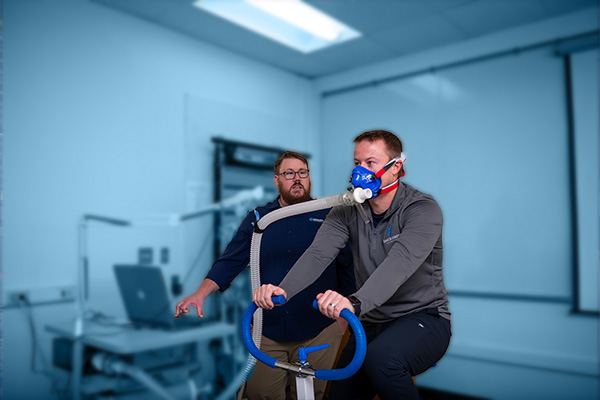
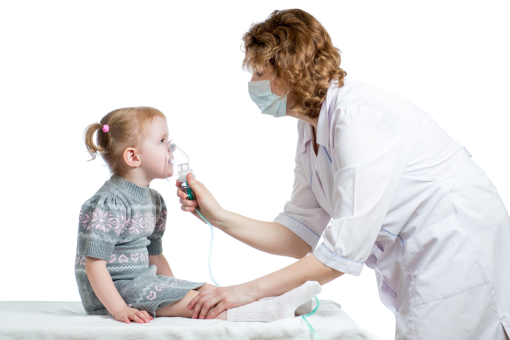
DSU's respiratory care program will equip you to help people of every age and walk of life. From newborn babies to the eldest citizen, many people will breathe easier, knowing you are on the job.
Possible Job Titles:
- Registered Respiratory Therapist
- Respiratory Care Practitioner
- Clinical Respiratory Specialist
- Pulmonary Diagnostician
- Neonatal/Pediatric Respiratory Care Specialist
- Certified or Registered Pulmonary Function Technologist
Salary Range:
Mid 30's
Job Outlook:
Excellent
Benefits of a DSU Degree?
- Class Size/personal attention:
- In the clinical portion of the training the student to teacher ratio is 5:1. This small class size allows faculty to keep close watch on student progress.
- Cool facts:
- DSU is the only university in South Dakota offering these professional degrees. The profession of respiratory care is only 60 years old. Our program has been at Dakota State University since 1980!
- Faculty's unique experiences or certifications in this major:
- The faculty all hold the Registered Respiratory Therapist (RRT) national credential.
- Integrated Technology:
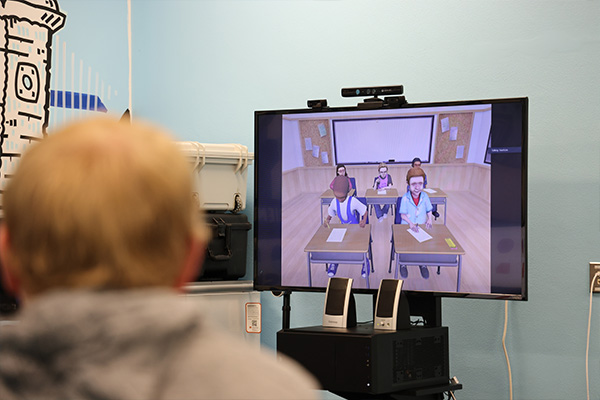
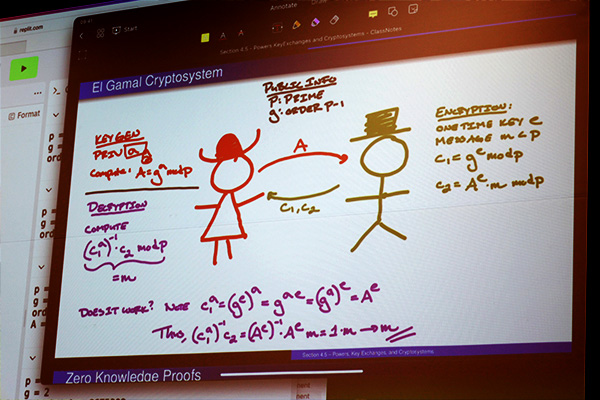
- Tablet PC technology is infused into the classroom and laboratory setting.
- Special Facilities:
- The primary clinical affiliate hospitals are Sanford Health and Avera McKennan Hospital in Sioux Falls, and Rapid City Regional Hospital in Rapid City.
- Special opportunities:
- Students belong to an on-campus respiratory care club, and when in clinical training, the Sioux Falls or Rapid City branches of the respiratory care club. There are two $1,000 scholarships available when students start the clinical training portion of the curriculum.

Nutrition Facts Serving Size 1 Semester (16cr)
Semesters Per Degree 8 (128cr)*Bachelor of Science in Respiratory Care Degree Requirements 128 cr Credits Associate of Science in Respiratory Care degree from Dakota State University or equivalent (see below) 74 Professional Courses 27 MATH 281 Introduction to Statistics 3 Advanced-level BIOL or Science course 4 BIOL 331 Microbiology 4 CSC 206 Advanced Computer Applications 2 RESP 341 Pharmacology 2 RESP 440 Ethics for Health Professionals 3 RESP 460 Current Issues in Resp. Care 3 RESP 475 Clinical Experience IV 5 RESP 495 Mgmt. Observation Practicum 1 Electives 4 General Education Requirements 15 Institutional Requirements 8 NOTE: Majors must take PSYC 101 as part of the system-wide general education requirements. * The serving size is based on a four year degree plan, so your course load may vary depending on your specific educational goals. The values here are current as of the 2009-10 DSU course catalog. Associate of Science in Respiratory Care 74 cr General Education Core 20 BIOL 151 General Biology I 4 CHEM 106 Chemistry Survey


OR
CHEM 112 General Chemistry I4 CSC 105 Introduction to Computers 3 ENGL 101 Composition I 3 MATH 102 College Algebra 3 Select one from the following: 3
SPCM 101 Fundamentals of Speech SPCM 215 Public Speaking SPCM 222 Argumentation and Debate Science Component 8 BIOL 323 Human Anatomy & Physiology 4 PHYS 111 Introduction to Physics I
OR
PHYS 101 Survey of Physics4 Professional Component 46 HIM 130 Basic Medical Terminology 2 RESP 110 Introduction to Respiratory Care 6 RESP 150 Clinical Experience I 6 RESP 180 Patho. For Respiratory Care 3 RESP 210 Respiratory Critical Care 5 RESP 250 Clinical Experience II 6 RESP 310 Advanced Respiratory Care 5 RESP 350 Clinical Experience III 6 RESP 355 Respiratory Care in Clinical Med 4 RESP 381 Respiratory Care Mgmt 1 RESP 395 Observation Practicum 2